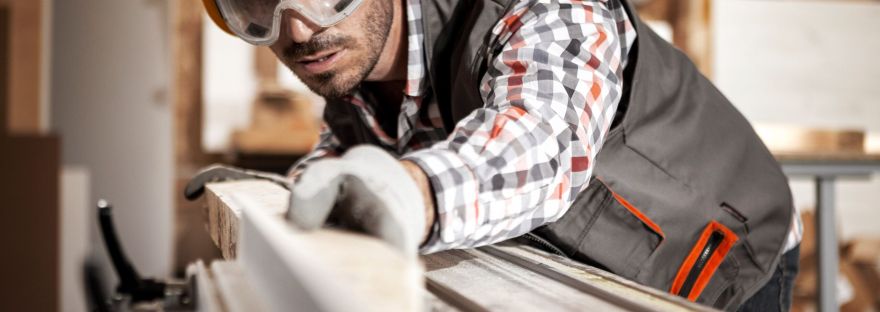
Basement renovations can greatly enhance a home’s functionality and value. However, safety must remain the top priority throughout the process. From guaranteeing adequate ventilation to selecting appropriate safety gear, various factors contribute to a secure renovation environment. Understanding common hazards and implementing effective safety measures is vital. As the project progresses, homeowners must remain vigilant about potential risks that could arise. What critical steps should be taken to guarantee a safe and successful renovation?
Key Takeaways
- Ensure proper ventilation and moisture control by installing exhaust fans, dehumidifiers, and using vapor barriers to prevent mold growth.
- Use essential safety gear like safety goggles, gloves, and dust masks to protect against debris and harmful particles during renovations.
- Hire licensed professionals for electrical and plumbing work to ensure compliance with safety codes and reduce the risks of fire or water damage.
- Regularly inspect the basement for signs of water leaks and ensure proper drainage to prevent flood damage and structural issues.
- Install smoke detectors and carbon monoxide alarms to enhance safety and alert occupants to potential hazards.
Understanding the Importance of Basement Renovation Safety
Renovating a basement can transform an underutilized space into a functional area, but safety should always be the foremost consideration. The importance of basement renovation safety lies in creating an environment that is not only inviting but also secure for all inhabitants. Proper planning is essential; this includes ensuring adequate ventilation, moisture control, and structural integrity. Electrical systems must be up to code, and plumbing should be inspected to prevent future complications. Additionally, installing smoke detectors and carbon monoxide alarms can safeguard against unseen dangers. By prioritizing these basement renovation safety tips, homeowners can cultivate a space that fosters connection and comfort while minimizing risks. A well-executed renovation not only enhances property value but also promotes a sense of belonging for families and friends.
Common Hazards in Basement Renovations
Basement renovations, while offering significant benefits, also come with a variety of hazards that can jeopardize the safety of the occupants and the integrity of the home. One of the primary concerns is inadequate ventilation, which can lead to mold growth and poor air quality. Additionally, electrical hazards may arise from outdated wiring, posing fire risks. Water damage is another common issue, particularly in areas prone to flooding, necessitating proper drainage solutions. Moreover, the potential for falls increases due to uneven surfaces or cluttered workspaces. Finally, the presence of hazardous materials, such as asbestos or lead paint, can pose serious health risks. Addressing these hazards through careful planning is essential to guarantee that effective basement renovation safety tips are implemented.
Essential Safety Gear for Basement Projects
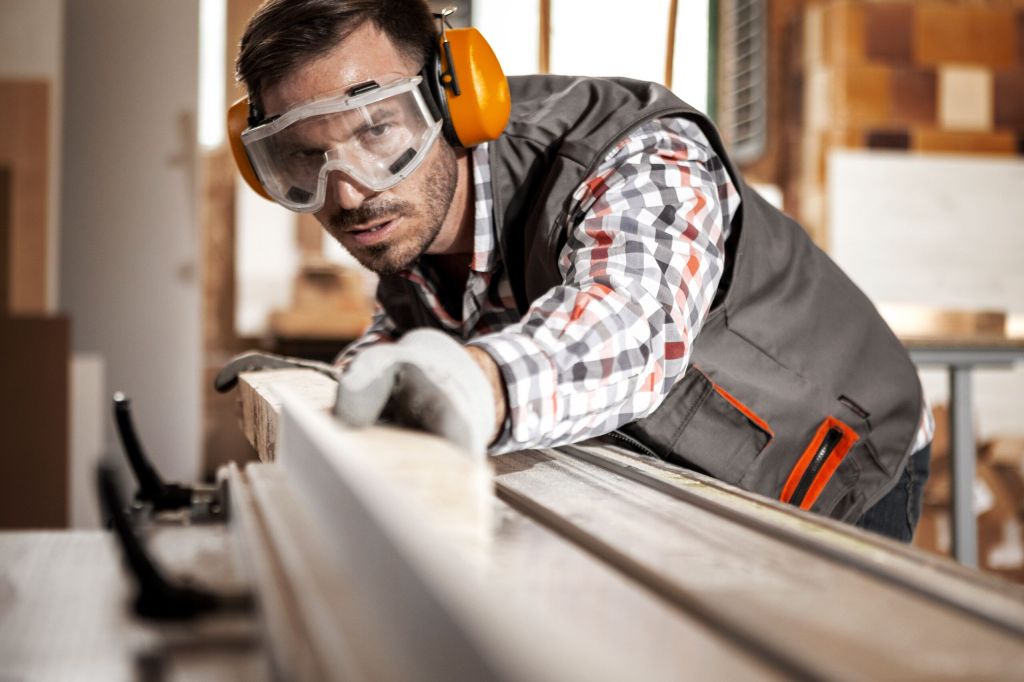
When commencing a renovation project in a basement, ensuring safety is paramount, and this begins with the right safety gear. The appropriate equipment not only protects individuals but also fosters a sense of community and shared responsibility among those involved. Essential safety gear includes:
- Safety goggles: Protect eyes from dust and debris.
- Dust mask or respirator: Prevents inhalation of harmful particles.
- Heavy-duty gloves: Shield hands from sharp objects and chemicals.
- Steel-toed boots: Guard feet against falling objects and punctures.
- Hard hat: Provides head protection in areas with overhead hazards.
Proper Ventilation and Moisture Control
Ensuring proper ventilation and moisture control is essential for a successful basement renovation, as inadequate airflow can lead to mold growth and structural damage. Homeowners should consider installing exhaust fans and dehumidifiers to regulate humidity levels and enhance air circulation. Additionally, strategically placed windows can provide natural ventilation, while sealed vents can prevent moisture ingress. It’s also vital to check for any water leaks or dampness before beginning renovations, as addressing these issues beforehand can save significant costs and headaches later. Utilizing vapor barriers on walls and floors further protects against moisture intrusion. By prioritizing ventilation and moisture control, homeowners can create a safe and comfortable living space that fosters a sense of belonging and well-being.
Electrical and Plumbing Safety Measures
A thorough understanding of electrical and plumbing safety measures is essential for anyone undertaking a basement renovation. These systems are vital for functionality but can pose significant risks if not handled properly. Ensuring compliance with local building codes and safety regulations is paramount.
- Always hire licensed professionals for electrical and plumbing work.
- Use GFCI outlets in areas exposed to moisture.
- Regularly inspect wiring and plumbing for signs of wear or leaks.
- Turn off power and water supplies before beginning any work.
- Install smoke and carbon monoxide detectors for added safety.
Conclusion
To sum up, prioritizing safety during basement renovations is paramount to ensuring a successful outcome. By understanding the potential hazards, investing in essential safety gear, and implementing proper ventilation and moisture control, homeowners can greatly reduce risks. Engaging licensed professionals for electrical and plumbing work further enhances safety. Regular inspections and the installation of smoke and carbon monoxide detectors provide additional layers of protection, fostering a secure environment for all who utilize the renovated space.

 Everstead Remodeling